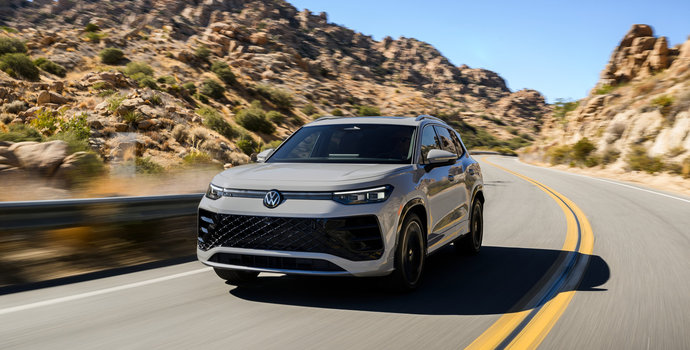
If you have been eyeing a midsize SUV for your Ontario driveway, the redesigned 2027 Atlas Cross Sport is worth a second look before you commit to anything else. This is not a trim shuffle or a colour refresh. It is a full second-generation vehicle, and the changes touch nearly everything you would notice on a test drive.
We walk through what actually changed, what Volkswagen kept because it worked, and what any of this means once you are comparing trims at a dealership.
The Biggest Changes: Styling, Power, and the Cabin
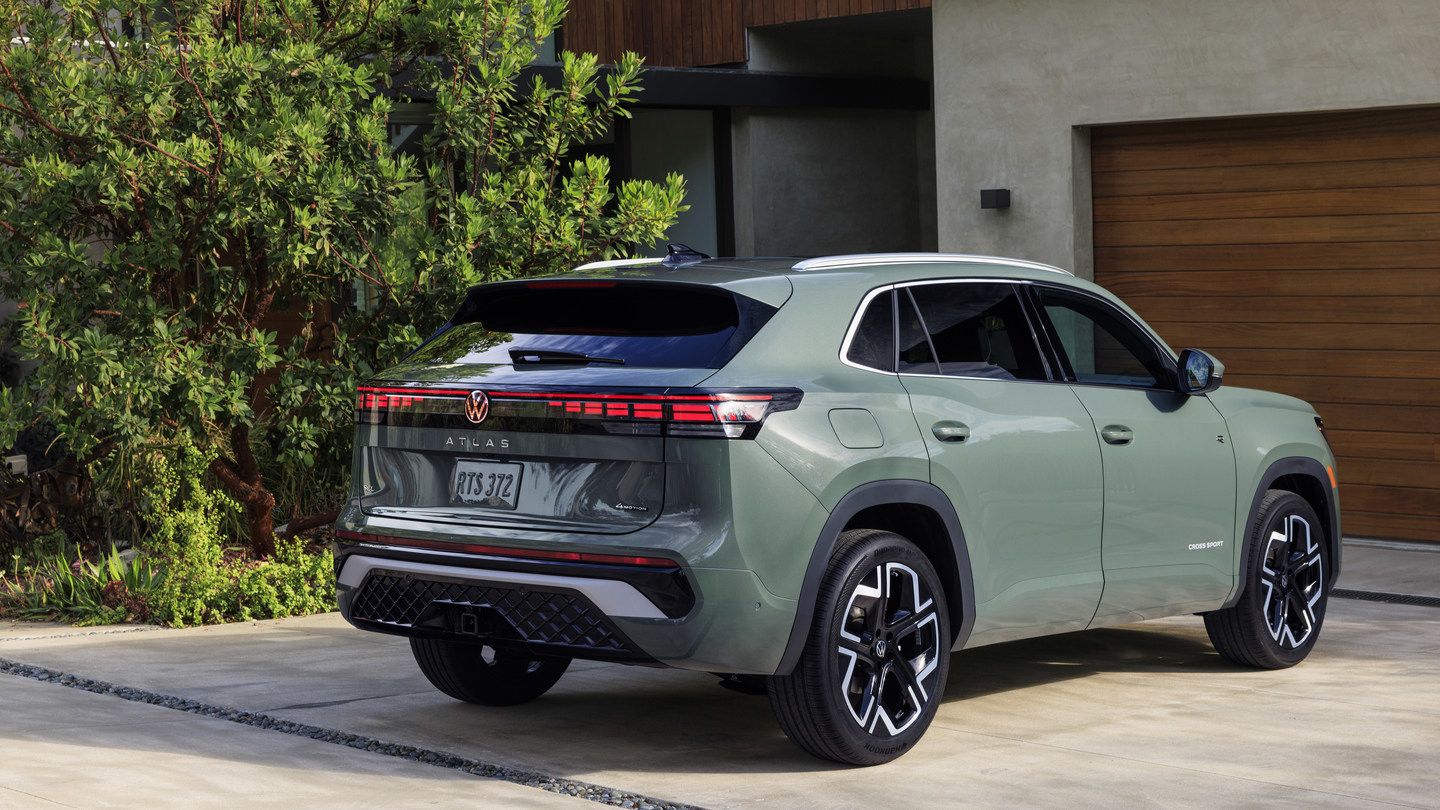
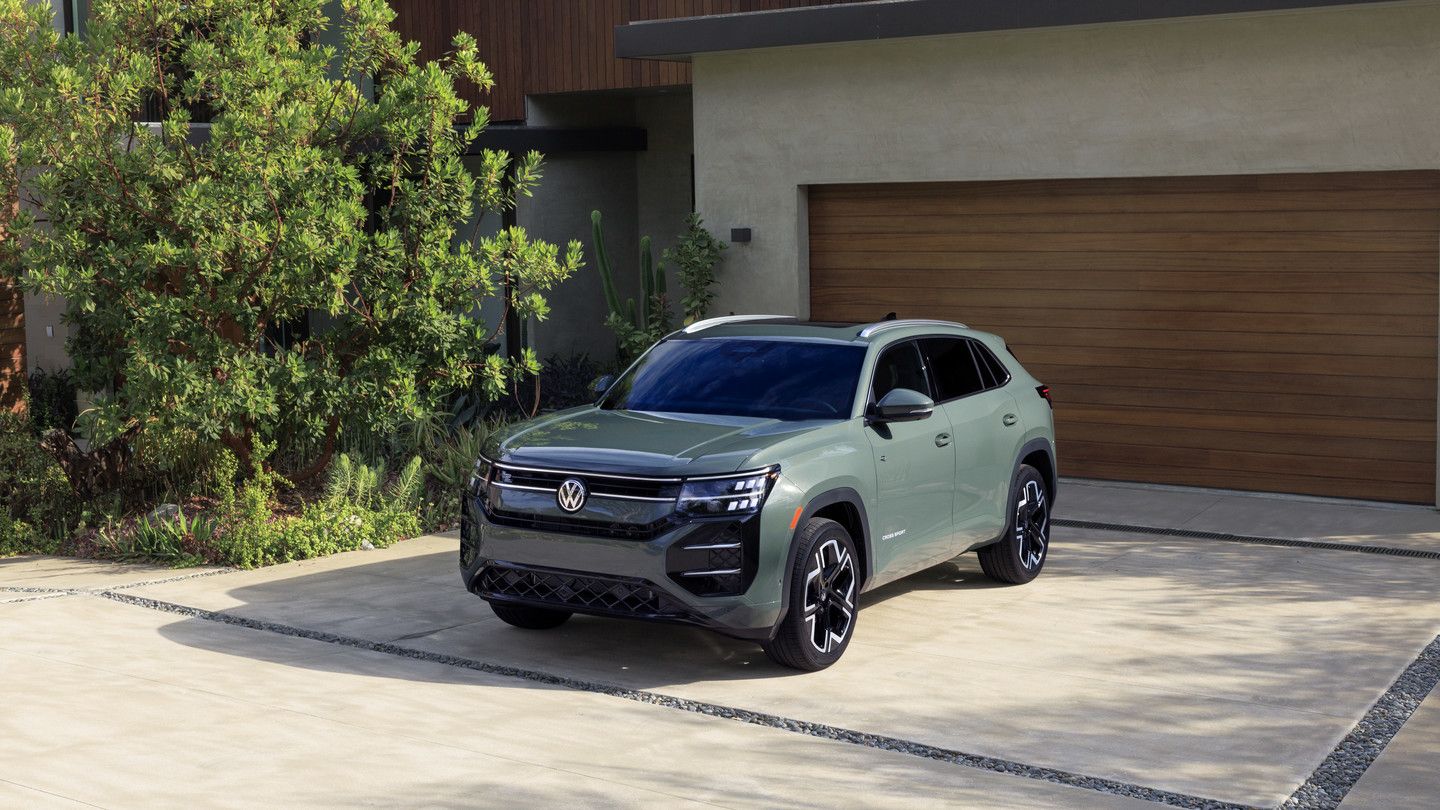
The most obvious update is outside. All-new sheet metal brings double-stacked LED headlights, a masked upper grille, and a front end built around a bolder hood shape. Double light lines and an illuminated VW badge come standard on every trim above the base model, giving the Cross Sport a distinct after-dark look that the outgoing model did not have.
In profile, a sharper theme line runs the length of the body, and the tailgate now sits flush with the rear bumper instead of protruding. Compared with the three-row Atlas, the Cross Sport is 130 mm shorter and 53 mm lower thanks to its raked rear pillars, a difference in proportions that has always separated the two but is more pronounced with this generation’s sleeker surfacing.
Wheels and colours change too. Every trim except the base rides on new 20-inch or 21-inch alloy wheels in machined or black finishes, while the entry trim keeps 18-inch rims. Three new exterior colours, Dark Sage Metallic, Blackberry Metallic, and Ascot Grey, join the palette.
Inside, the dashboard has been rebuilt around a single architectural loop that ties the cockpit together. Standard grey open-pore wood and soft-touch surfaces replace harder materials, and buyers can choose from three interior colour schemes, including a Cross Sport-only Chestnut Brown. Ambient lighting is standard in a 10-colour setup, expanding to 30 colours on the top two trims, and a new “Atmospheres” feature pairs lighting with audio settings.
Under the hood, the 2.0-litre turbocharged four-cylinder now makes 282 horsepower and 258 lb-ft of torque, a meaningful jump from the outgoing engine, while VW anticipates improved fuel economy. It pairs with an eight-speed automatic and Volkswagen’s 4MOTION all-wheel-drive system, which is standard across the entire lineup rather than an upgrade you have to pay for.
What Stayed the Same
Some things did not need reinventing. Seating capacity holds at five, and the Cross Sport is still built for buyers who want Atlas-level presence without the third row. Towing capacity is unchanged at 5,000 lbs (2,268 kg) for models fitted with the factory trailer hitch, so anyone hauling a light trailer or small boat sees no drop in capability.
The panoramic sunroof remains standard equipment on Highline and Execline R-Line trims, as before, and the Digital Cockpit Pro configurable gauge cluster continues at 10.25 inches across the range. Leatherette also stays the standard material on Comfortline, keeping the entry price point accessible for buyers who plan to upgrade seat covers or simply do not need leather.
What This Means for Trim Shopping
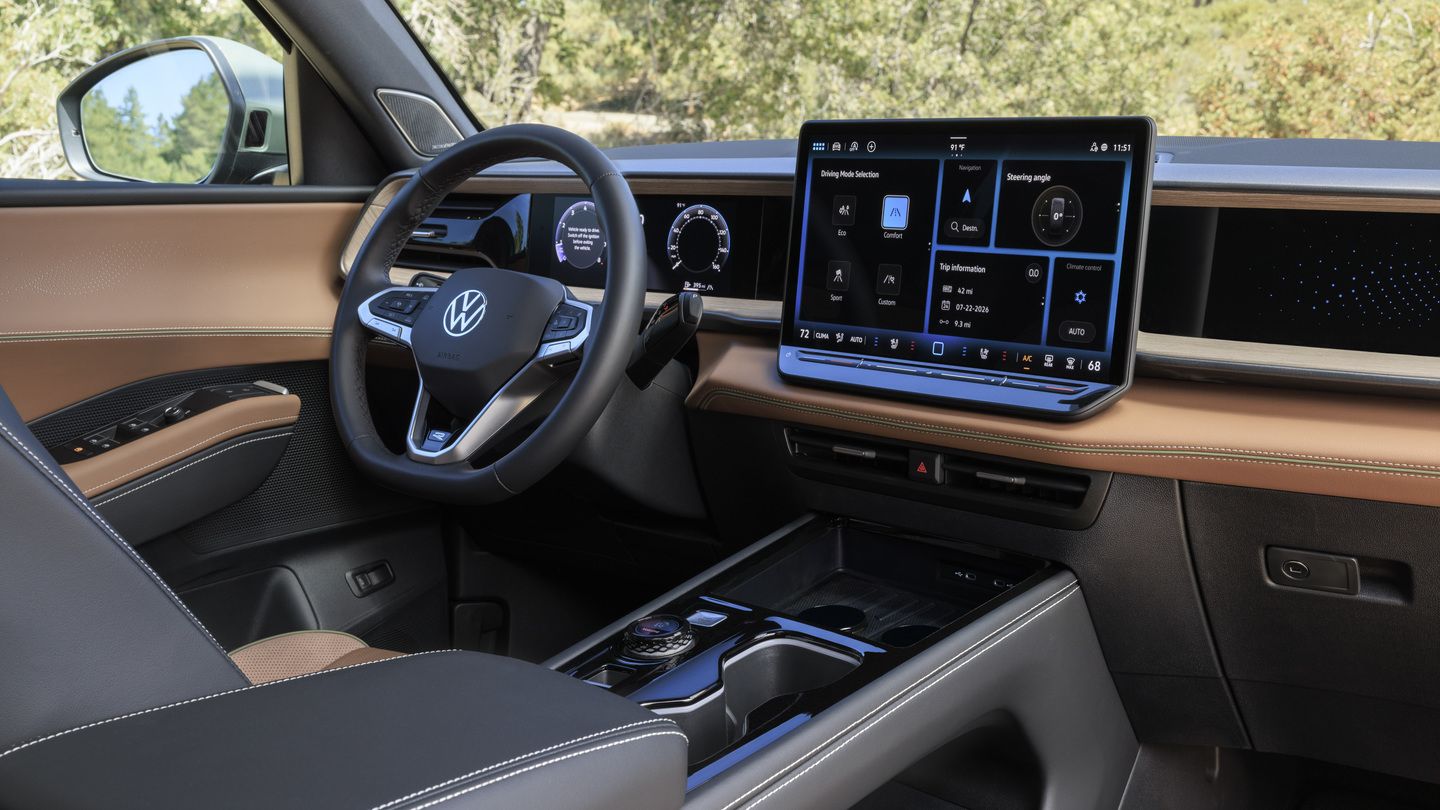
Most Ontario shoppers cross-shop two or three trims closely, and the material and tech differences here are where that comparison actually plays out. The table below breaks down the core differences you will feel day to day.
|
Trim
|
Touchscreen
|
Interior Material
|
|
Comfortline
|
12.9-inch
|
Leatherette
|
|
Highline
|
15-inch
|
Varenna leather
|
|
Execline R-Line
|
15-inch
|
Nappa leather with microfibre inlays
|
The jump from Comfortline to Highline is really about the screen and the leather. Highline gets the larger 15-inch display, the deeper ambient lighting palette, and Varenna leather instead of leatherette, which is the difference most families notice within the first week of ownership.
Execline R-Line adds the 14-speaker Harman/Kardon system and Nappa leather with microfibre inlays, plus the organic dash lighting pattern and backlit door panels found only on the top two trims. If audio quality and cabin finish matter more to you than a few extra driver-assist features, that is where the meaningful spend sits.
Driver-assistance also improves at the top of the lineup. A new front centre airbag brings the total to seven, and the IQ. The DRIVE suite has been refined across every trim, with Travel Assist now supporting driver-initiated lane changes between 0 and 150 km/h and Emergency Assist Plus guiding the vehicle to the shoulder if it detects a medical emergency.
Park Assist arrives on the top trim, and predictive adaptive cruise control, which adjusts speed for curves, roundabouts, and exit ramps, is limited to the top two trims. For anyone doing regular highway driving across Ontario, that upgraded Travel Assist range is a genuine daily-use improvement, not a spec-sheet checkbox.
Convenience tech rounds out the case for moving up the lineup. A power liftgate with Easy Open, front and rear Park Distance Control, and dual hatch lights are now standard across the board, while Qi2 wireless charging with MagSafe support and up to five USB-C ports are available throughout the cabin, useful for families juggling multiple devices on longer drives.
Where the Redesigned Atlas Cross Sport Fits
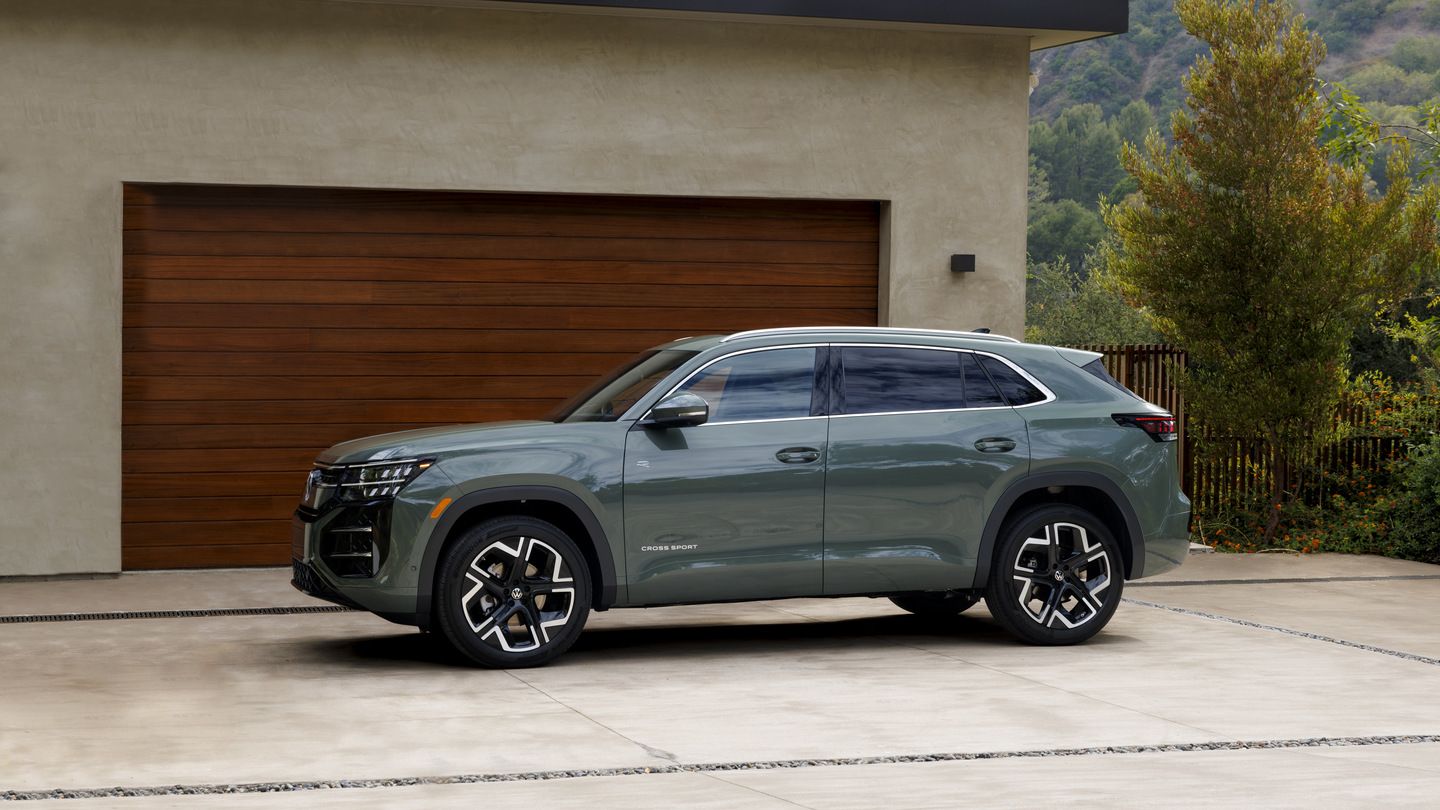
The 2027 Atlas Cross Sport is a genuine second-generation update, not a styling refresh, and the changes to power, cabin materials, and driver-assist technology all point toward a more premium ownership experience without giving up the five-seat practicality the model built its name on.
Visit Volkswagen MidTown Toronto in Toronto to pre-order the redesigned Atlas Cross Sport trims and find the configuration that best matches how your family actually drives.
You might also be interested in these blogs: